Lasting provision for a loved one with special needs.
A third-party special needs trust allows parents, grandparents and other relatives to leave an inheritance for a loved one with a disability, held and managed by a trustee they choose, in a form designed to supplement rather than replace the public benefits on which that person may depend.
Eligibility rules for SSI, Medi-Cal and other needs-based programs are complex and change over time. Whether a particular trust preserves eligibility depends on its terms and on how distributions are made.
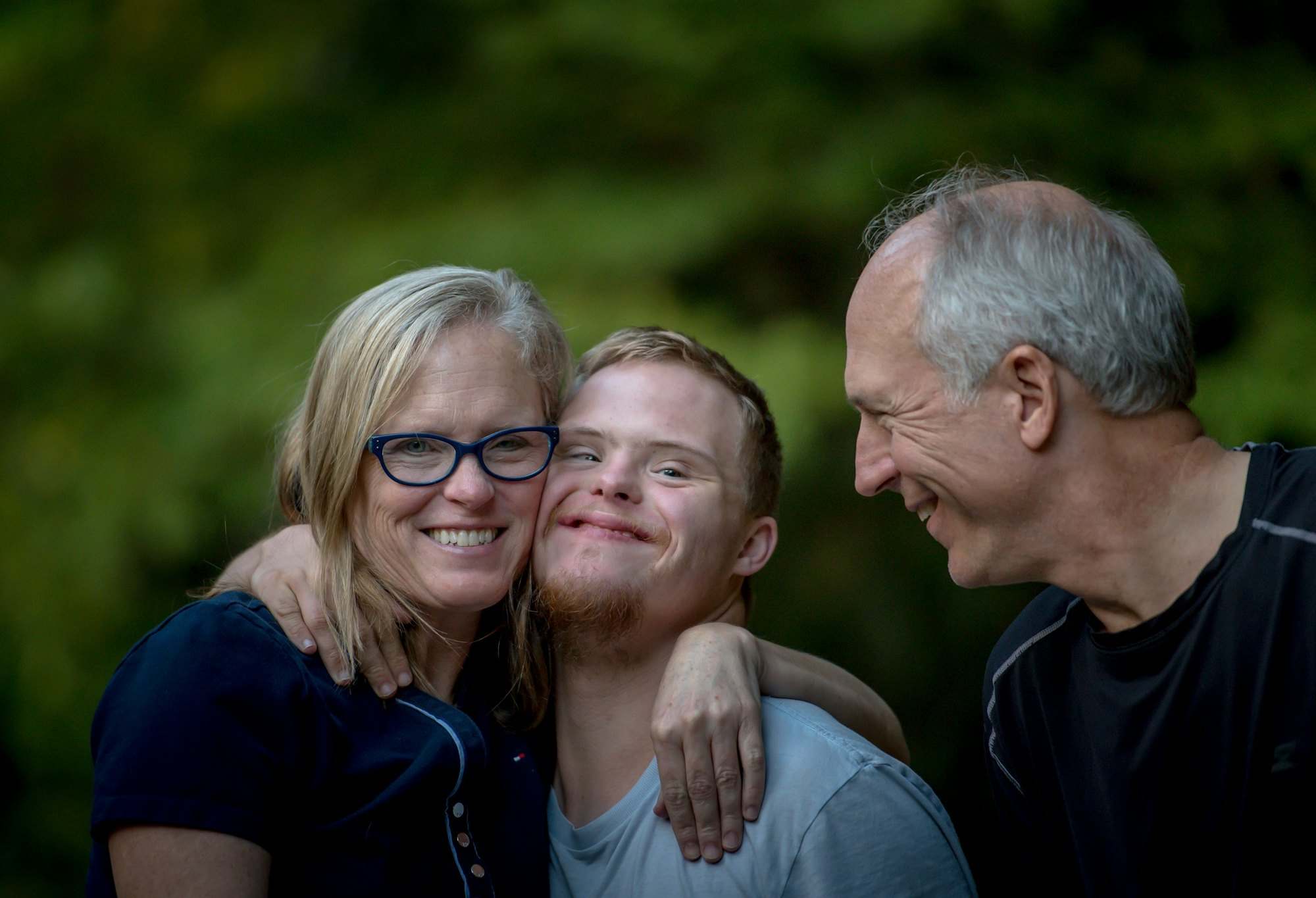

An inheritance given with the best of intentions
Programs such as Supplemental Security Income and Medi-Cal impose strict limits on what a recipient may own. An inheritance left outright to a person who relies on them can count against those limits, so a gift meant to enrich a life may instead interrupt the support that sustains it, and may require a court proceeding before anyone can manage the funds on that person’s behalf.
Read moreShow less
A third-party special needs trust resolves that tension. The inheritance is held by a trustee with discretion to pay for what improves your loved one’s quality of life: education and enrichment, therapies and services that public programs do not provide, travel to be with family, and the comforts that make a home. Because your loved one cannot compel distributions, the trust is designed so that its assets are not counted as their own.
Because the trust holds only assets that never belonged to the beneficiary, it is generally not subject to the Medi-Cal reimbursement claim that applies to trusts funded with a beneficiary’s own money. What remains after your loved one’s lifetime can pass to the family members or charities you name.
Families planning for someone they love
- Parents of a child or adult child with a developmental, intellectual or physical disability
- Grandparents and other relatives who wish to include a loved one with special needs in their own plans
- Families whose loved one receives, or may one day need, SSI, Medi-Cal or In-Home Supportive Services
- Parents looking ahead to the years when they can no longer provide care themselves
A trust shaped around one person’s life
We design the trust as a separate document or as part of your living trust, depending on whether others in the family may wish to contribute to it. Its provisions address how distributions are to be made, who will serve as trustee and who will follow, and who receives what remains.
Read moreShow less
The choice of trustee deserves particular care. Administering a special needs trust calls for judgment about benefit rules as well as about the person it serves. We help you weigh a trusted family member, a professional fiduciary, or the two serving together, so that the trust remains well managed for as long as it is needed.
We also coordinate the trust with the rest of your planning. Where it serves your loved one, we address how the trust works alongside an ABLE account, a conservatorship or a supported decision-making arrangement.
Many parents also record, in a letter kept with the plan, what they know best: routines, preferences, medical history and the people who matter most. Although it does not bind the trustee, such a letter gives those who follow you the understanding that only you can provide.
A plan that works as a whole
- Third-party special needs trust, standalone or within your living trust
- Provisions for distributions, successor trustees and remainder beneficiaries
- Coordinated wills, beneficiary designations and powers of attorney
- Who should serve as trustee, and who should follow
- How distributions may affect particular benefits
- Whether an ABLE account should complement the trust
- Who receives what remains
How we work together
- Step 1: Gather your information
- Step 2: Design consultation
- Step 3: Review your documents
- Step 4: Sign & fund your plan
Read moreShow less
- 1. Gather your information. Our team sends a simple questionnaire and organizes your family, property and account details before we meet.
- 2. Design consultation. We meet, usually by Zoom, to design your plan: who receives what, who is in charge and how to protect your children.
- 3. Review your documents. Your completed plan is prepared from our design meeting and sent to you to review before signing.
- 4. Sign & fund your plan. We guide you through signing with the witnesses and/or notary appropriate to each document, then explain how to place the right assets in your trust. For clients who prefer the convenience of our assistance, California deed preparation and recording services are available for a separate fee.
A member of our staff will call you to learn about your needs, explain our fees, and schedule your appointment. See the full process on the What to expect page.
Will a special needs trust affect my loved one’s benefits?
It is designed not to. Because the beneficiary cannot compel distributions, the assets of a properly drafted third-party trust are generally not counted for SSI or Medi-Cal. How the trustee spends the funds still matters: certain payments, particularly for housing, can reduce some benefits. We draft the trust with those rules in view.
Does the State have a claim against the trust after my loved one passes away?
A third-party trust funded only with assets that never belonged to the beneficiary is generally not subject to Medi-Cal reimbursement. What remains passes to the family members or charities you name.
Can grandparents and other relatives contribute?
Yes. A third-party trust can receive gifts during life and at death from anyone other than the beneficiary. We can coordinate with relatives’ estate plans so that their gifts are directed to the trust rather than left to your loved one outright.
Who should serve as trustee?
Someone with sound judgment, a genuine commitment to your loved one, and a willingness to learn the benefit rules or to work with those who know them. We discuss family members, professional fiduciaries and combinations of the two, and name successors to carry the responsibility forward.
Your employer’s legal plan may provide benefits toward estate planning services. We can help identify the services to review with your plan provider; coverage and any client responsibility depend on your benefits and the work involved.
- MetLife Legal Plans
- ARAG
- LegalEase
- Exemplar Legal
Provide for your loved one with care and foresight.
Meetings are by appointment, weekdays 9:30 AM – 5:00 PM, by Zoom or at our offices. Call 888.380.2288 or 415.693.8882, or request a time online. Consultations in English, Cantonese or Mandarin.